

Small Dose of Italian Culture #38

Welcome to the 38th edition of Small Dose of Italian Culture!
If you haven’t yet, make sure you sign up for my new Italian practice site: Linguetto. Practice a little each day and you’ll be surprised by how much Italian you pick up over time.
🎬 Italian Media
Perfetti Sconosciuti (2016, Perfect Strangers) is a brilliant Italian comedy-drama directed by Paolo Genovese. The premise is simple but quite intriguing: seven friends gather for a dinner party and decide to play a game where everyone puts their phone on the table, and all incoming calls, texts, and notifications must be shared with the group.
What starts as a lighthearted experiment quickly spirals into chaos as secrets, lies, and hidden lives are exposed one message at a time.
It’s sharp, funny, and at times genuinely uncomfortable to watch, in the best way possible. The film was such a hit that it became one of the most remade movies in cinema history, with official versions produced in over 20 countries. If you’ve ever wondered what would happen if your phone became an open book, this movie will make you grateful for your lock screen.
🎵 Italian Song
A song that deserves more international recognition is Luce (Tramonti a Nord Est) by Elisa. The song won Sanremo in 2001 and remains one of the most beautiful Italian ballads of the 2000s.
🎭 Famous Italian
Grazia Deledda (1871–1936) was a Sardinian novelist and the second woman ever to win the Nobel Prize in Literature, which she received in 1926. Born in Nuoro, a small town in the mountainous interior of Sardinia, she was largely self-educated and began publishing stories as a teenager.
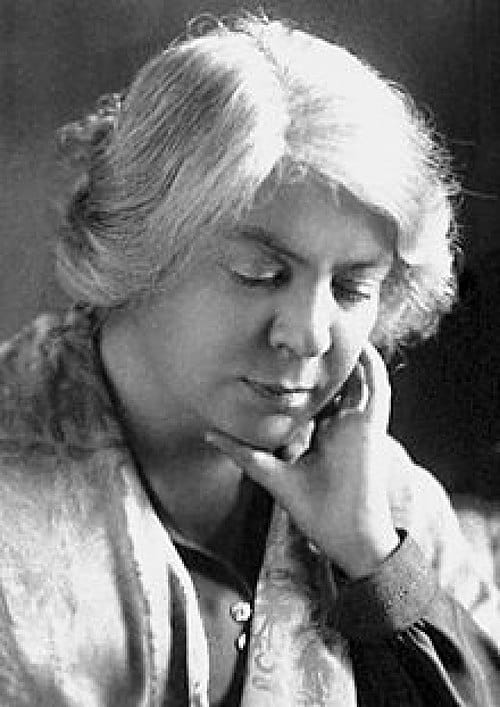
Her novels explore the harsh, rugged landscape of Sardinia and the passionate, often tragic lives of its people. Works like Canne al vento (Reeds in the Wind) and Elias Portolu are considered some of the finest examples of Italian regionalist literature.
Despite being one of Italy’s greatest literary voices, she’s not as well known internationally as she deserves to be, which is a shame. If you want to understand Sardinia beyond the beaches and the Costa Smeralda, Deledda is where you start.
🏞️ Italian Landmark
If you’re ever in Piedmont, make sure you visit the Sacra di San Michele, a stunning medieval abbey perched dramatically on top of Mount Pirchiriano near Turin. It sits at nearly 1,000 meters above sea level, overlooking the Val di Susa, and on a clear day, the views are breathtaking.
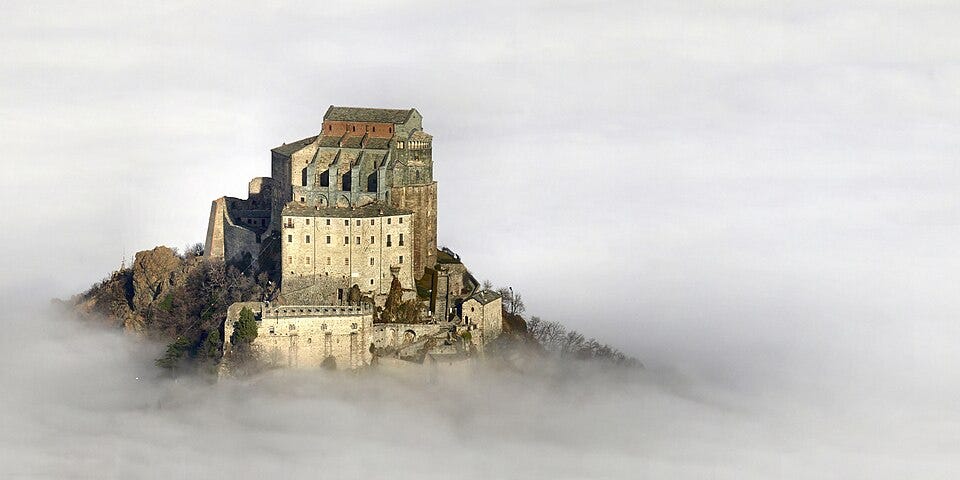
The abbey dates back to the late 10th century and is said to have inspired Umberto Eco’s famous novel Il nome della rosa (The Name of the Rose). In 1994, it was designated the symbolic monument of the Piedmont region.
Getting there involves a bit of a climb, but it’s absolutely worth it. It’s one of those places that feels genuinely ancient in a way that’s hard to describe until you’re standing there.
🍝 Italian Dish
Arancini are golden, deep-fried rice balls that originate from Sicily. They’re typically stuffed with ragù (meat sauce), mozzarella, and peas, then coated in breadcrumbs and fried until perfectly crispy on the outside and creamy on the inside.
The name comes from arancia (orange), because they resemble small oranges in shape and color. (Though they are more conic-shaped in some areas.)
There’s actually a lighthearted debate in Sicily about whether to call them arancini (masculine, preferred in eastern Sicily around Catania) or arancine (feminine, as they say in Palermo). It’s the kind of food argument that Italians take very seriously.
Either way, they’re absolutely delicious, inexpensive, and perfect as street food or as an appetizer.

🗣️ Italian Proverb
Tra il dire e il fare c’è di mezzo il mare.
Between saying and doing, there is the sea.
This is a classic Italian proverb that reminds us how big the gap can be between making plans and actually following through.
It’s the Italian way of saying “easier said than done,” but with a much more poetic image: an entire sea separating your words from your actions. You’ll hear it often when someone is making big promises.
👀 Italian Curiosity
If you order a latte in Italy, you’ll just get a glass of milk. That’s because latte literally means “milk” in Italian.
What the rest of the world calls a “latte” is a caffè latte in Italy, and even that isn’t particularly common. Most Italians drink caffè (espresso) or a cappucino, often standing at the bar where it’s cheaper than sitting down at a table.

On that note, you might already know this, but ordering a cappuccino after about 11 a.m. is considered borderline offensive by many Italians, who believe that milk-based coffee drinks are strictly for breakfast.
It’s one of those unwritten rules that no one will officially enforce, but you’ll definitely get a look.
I hope you enjoyed the 38th edition of Small Dose of Italian Culture.
A presto!